Gulf Municipalities Regional Cluster – SPEARit Program
Background
The Gulf Municipalities Regional Cluster brings together 18 local authorities, serving approximately 512,000 residents. Advancing regional economic development depends not only on formal structures and strategic plans, but also on strong relationships among municipal leadership teams, mutual trust, and the ability to establish a shared regional vision. Based on this understanding, the SPEARit program was developed to build the human foundation for regional economic development by working directly with the CEOs of the member municipalities.
The Challenge
Regional development requires ongoing collaboration among municipalities with different priorities, resources, and needs. At the outset, the municipal CEOs lacked sufficient familiarity with one another, a strong professional network, and a shared sense of regional identity. The key challenge was to build a foundation of trust, shared understanding, and commitment that would enable these relationships to evolve into concrete regional collaboration.
The Opportunity
Building a strong professional network of municipal CEOs can provide a foundation for regional collaboration, particularly when it combines professional learning, personal connections, exposure to international models, and the development of practical initiatives. The first phase demonstrated that when a concrete opportunity is paired with a municipal CEO who takes initiative and ownership, learning can begin to translate into meaningful action.
Objectives
To build a strong professional network that enables the Cluster and its member municipalities to collaborate on regional economic development; strengthen relationships, trust, and a shared sense of belonging among municipal CEOs; expand exposure to regional collaboration models; and lay the groundwork for transforming professional learning and connections into sustainable, joint regional initiatives.
Course of Action
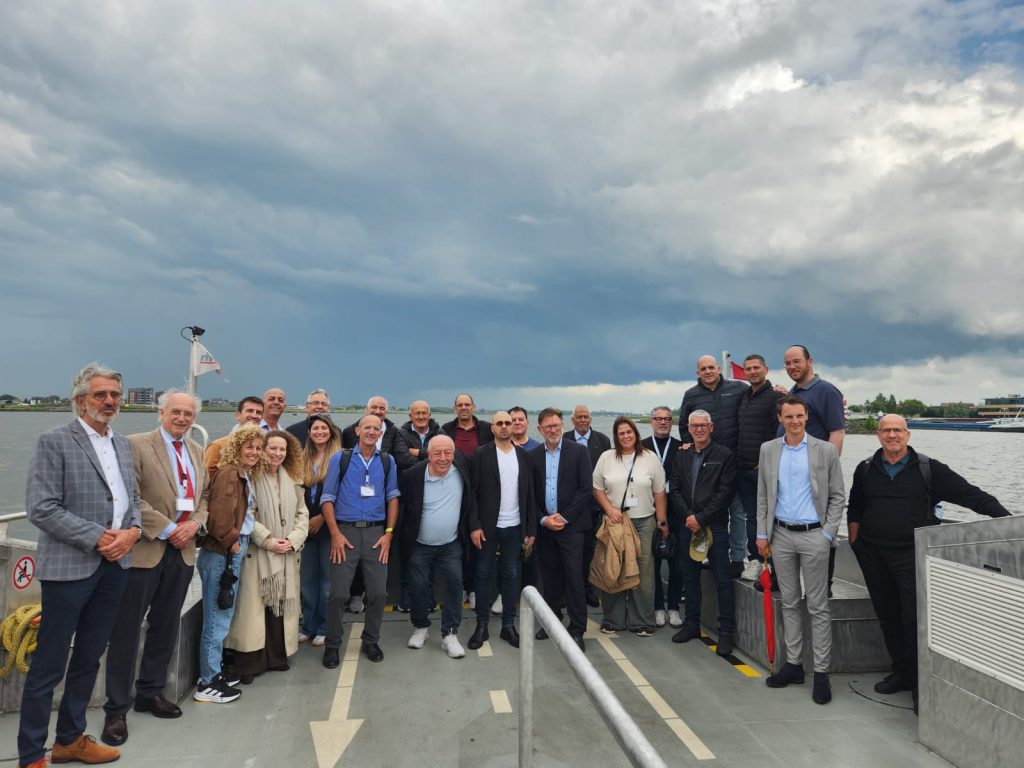
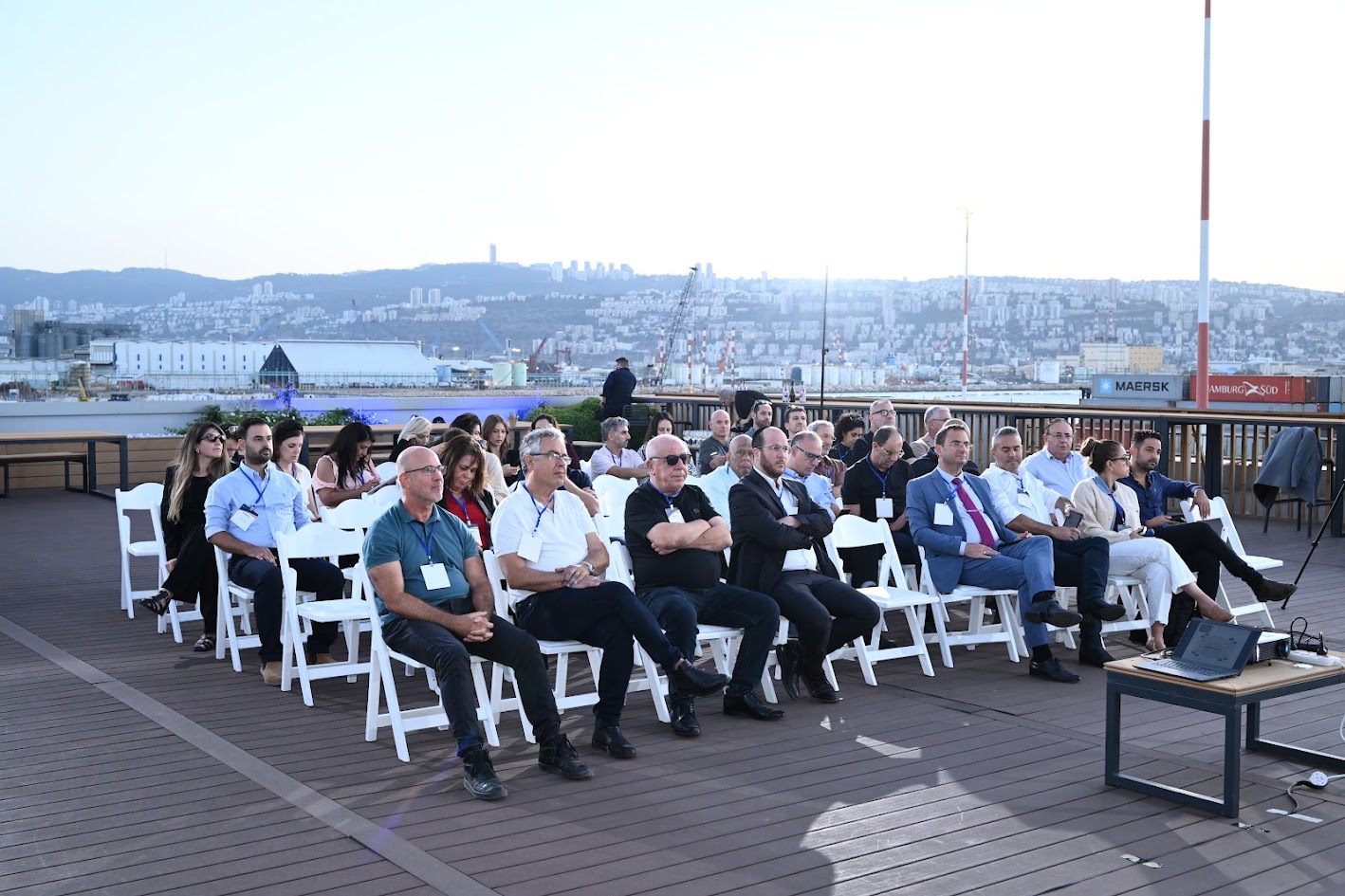
The first phase of the SPEARit program included a structured learning and team-building process for the CEOs of the Cluster’s 18 member municipalities. The program featured a two-day opening seminar, three thematic sessions, a preparatory meeting, a study tour in the Netherlands, and a concluding session. The process was professionally facilitated and implemented in partnership with the Gulf Municipalities Regional Cluster, the Rashi Foundation, the Taib Foundation, and JDC. Throughout the program, participants engaged in professional learning, relationship-building, exposure to regional collaboration models, and discussions on translating knowledge into practical initiatives.
Impact
Considering the program’s scope, number of sessions, and disruptions along the way, the first phase achieved most of the outcomes reasonably expected at this early stage. The program helped build relationships, trust, and a shared sense of regional belonging, introduced participants to new models of regional collaboration, and generated early signs of translating learning into action. Initial examples of implementation have also emerged: an additional municipal CEO joined an existing initiative to coordinate summer camp pricing among neighboring municipalities, while another CEO plans to incorporate an approach encountered during the study tour in the Netherlands into their municipality’s annual work plan.
What We’ve Learned
Regional collaboration is a gradual process built on trust, strong relationships, and a shared sense of belonging. While joint learning creates opportunities, lasting change requires concrete goals, clear ownership, and mechanisms that connect learning to action. We have also learned that engaging senior municipal leaders requires flexibility and alignment with their organizational priorities. The key lesson is that building regional capacity is a long-term investment, not a one-time initiative. Sustaining impact requires practical projects, ongoing collaboration, and clear commitment from both participants and the leading organization.