Academic Scholarships for Druze Serving in the IDF Reserves



Background
A shared commitment to life, a common destiny, and mutual responsibility have forged an enduring bond between the Druze community and Jewish society in Israel. This partnership, which predates the establishment of the State of Israel, has made a significant contribution to Israeli society. Druze men and women serve alongside their fellow citizens, sharing in the country’s civic and security responsibilities. Their representation in the IDF, police, Israel Prison Service, and other security forces far exceeds their share of the population. Their courage and dedication are reflected in the heavy losses the Druze community has suffered throughout Israel’s wars, including the Swords of Iron War.
The Challenge
Despite high educational achievement and military service rates, the Druze community continues to face significant social and economic inequalities. These include lower average incomes, underrepresentation in senior public service positions, and limited housing development opportunities. The war has further highlighted these disparities, particularly the lack of adequate protection in Druze communities, where 72% of homes lack shelters. These challenges underscore the gap between the community’s contribution to Israeli society and the opportunities and resources available to its members.
The Opportunity
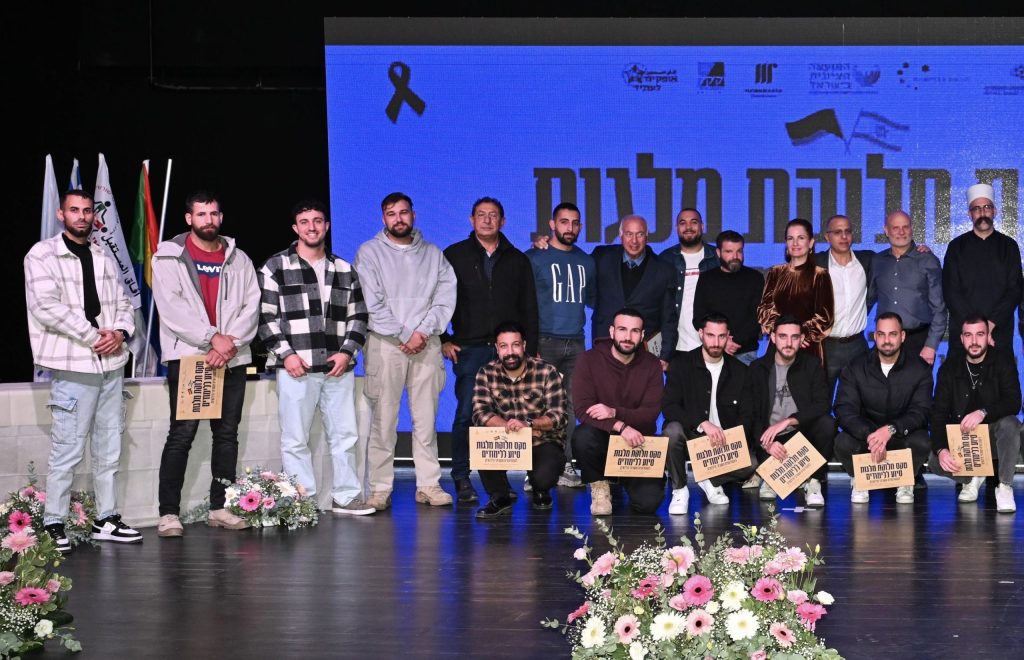
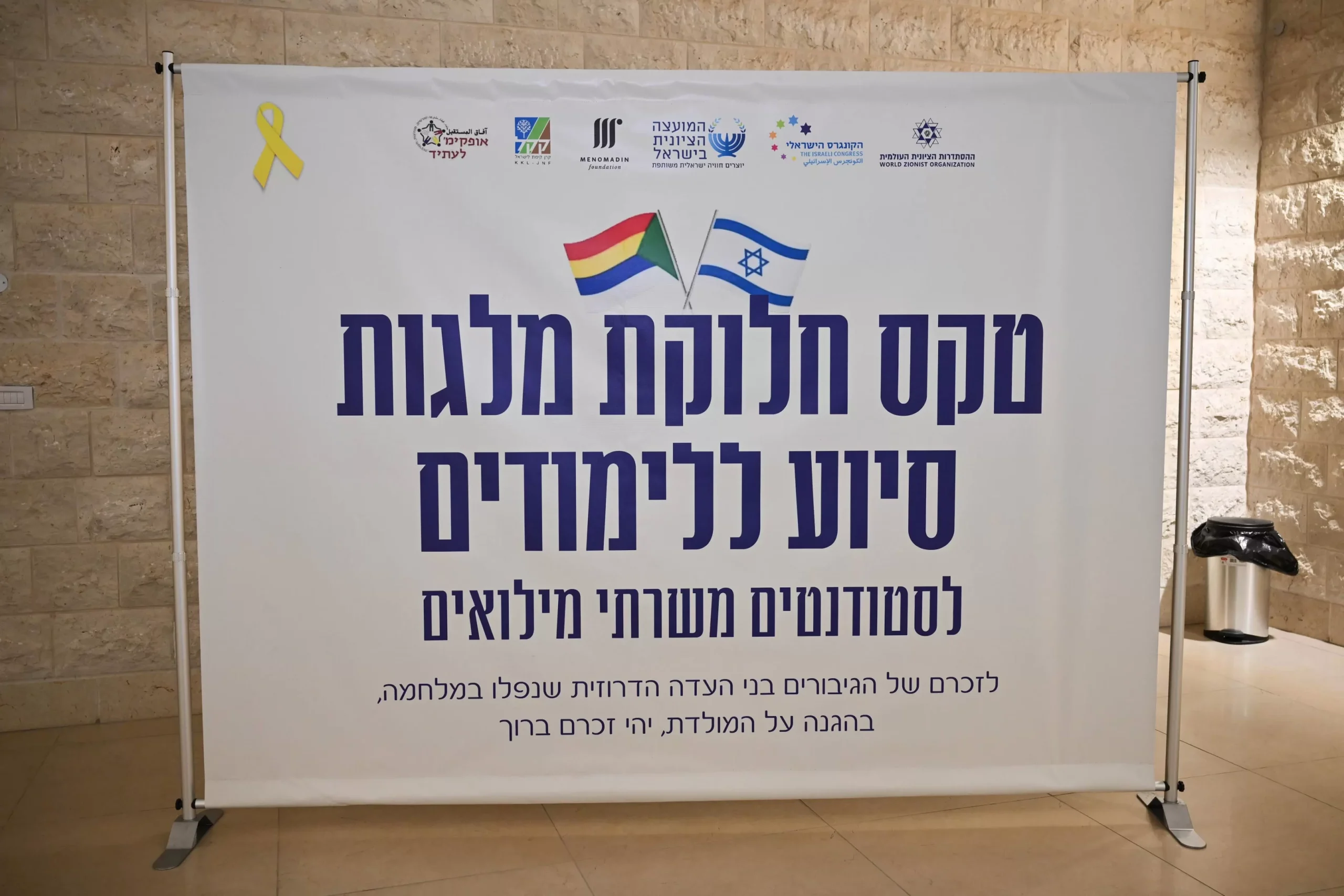
The Opportunity The Zionist Council in Israel, the Israeli Congress, and the Taib Foundation, in partnership with Ofakim LaAtid, joined forces to support Druze students balancing academic studies with demanding IDF reserve service. The scholarships strengthen ties between Druze and Jewish communities and honor Druze soldiers who fell in the war following October 7. Forty scholarships were awarded in late 2024, with another 40 planned for late 2025, representing hundreds of thousands of shekels in support. Eligibility requires at least 30 days of reserve service during 2024–2025, with priority given to extended and combat service, alongside socioeconomic considerations. Many recipients served far beyond the minimum requirement, and some were wounded in combat.