Netivot Education
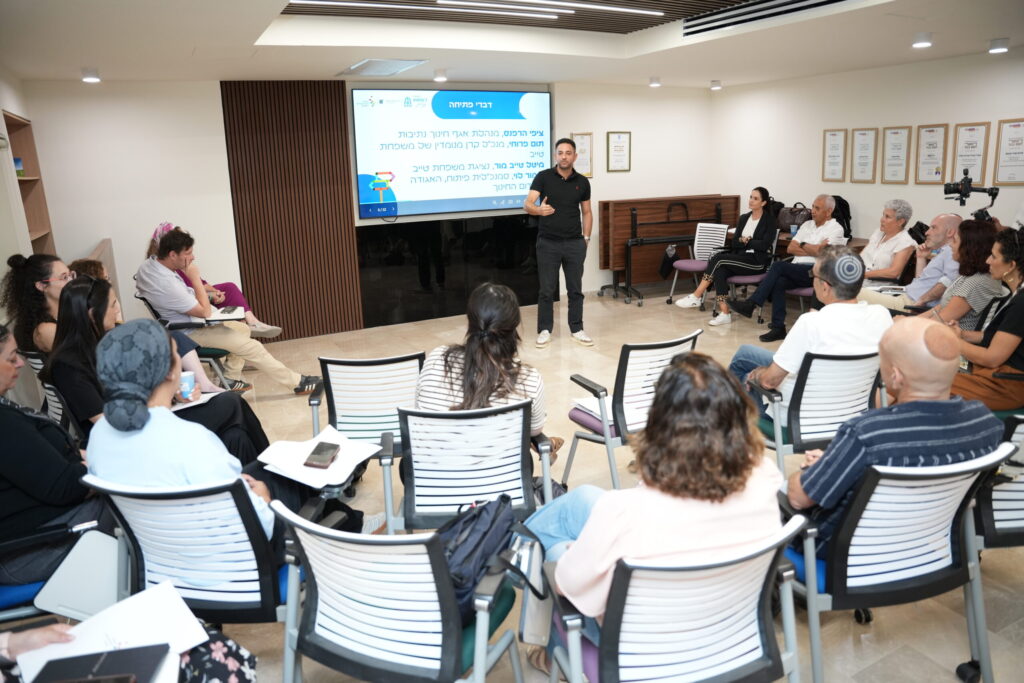
The initiative is part of a broader effort led by a coalition of philanthropic foundations supporting the city’s development. Within this partnership, the Taib Foundation has taken responsibility for leading the education component, focusing on three key pillars: excellence, equity, and identity and belonging.


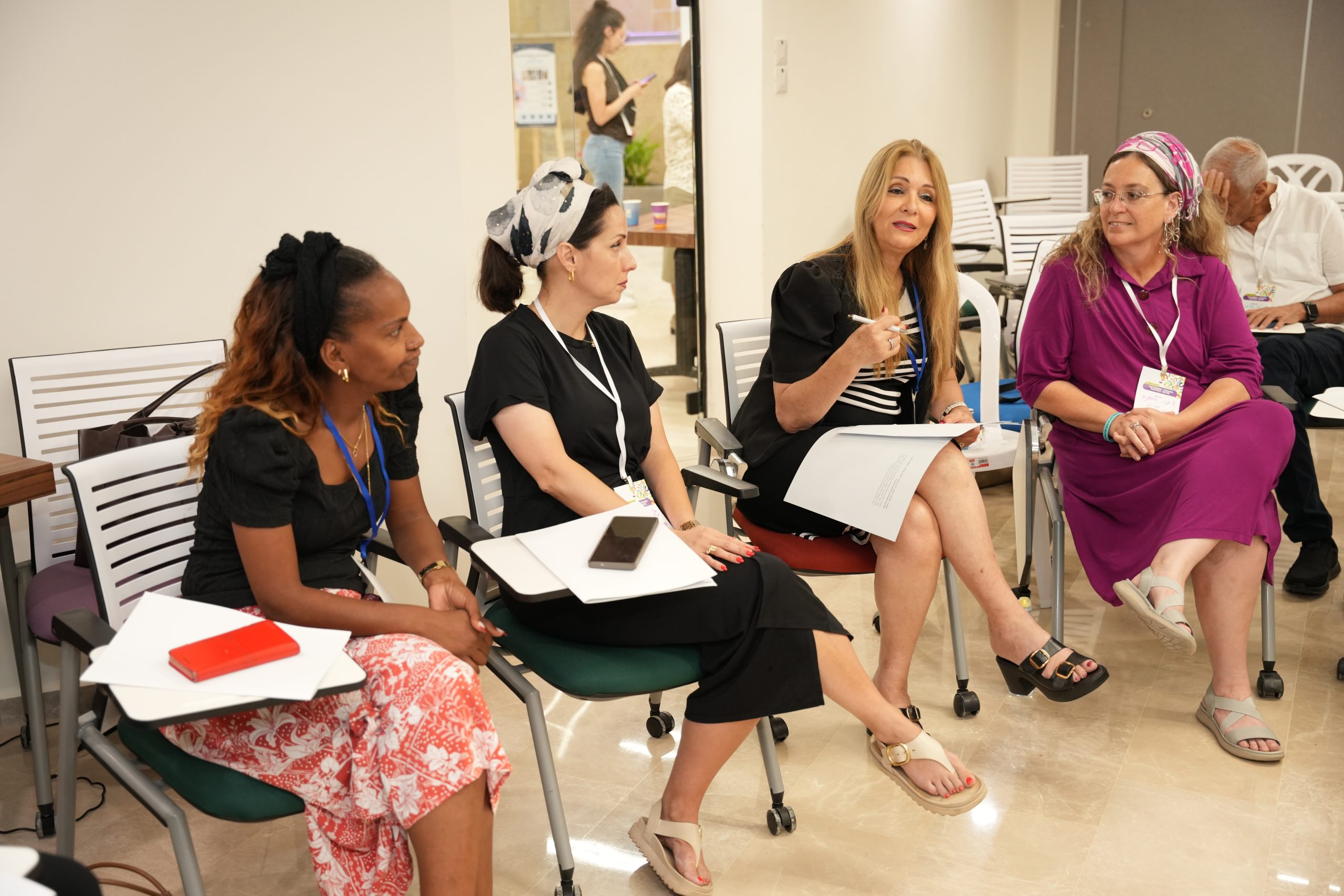
Background
Netivot is a growing city with a large, diverse, and evolving education system. The initial assessment revealed that the city’s educational challenges extend beyond academic achievement, encompassing the entire educational journey—from early childhood through formal and informal education, higher education, employment, and opportunities to build a future in the city. The education initiative is part of a broader citywide development effort led by a coalition of philanthropic foundations working together to support Netivot’s growth. Within this framework, the Taib Foundation has taken responsibility for the education component, partnering with the Society for the Advancement of Education, Jerusalem, to develop a strategic process aimed at strengthening the city’s education system as a whole. The diversity of Netivot’s education system also highlights the need for stronger coordination across educational streams, municipal departments, educational institutions, and professional stakeholders, fostering a unified, citywide approach to education.
The Challenge
Netivot faces a combination of rapid population growth, fragmentation across educational institutions and streams, and gaps throughout the educational journey. The assessment revealed that certain indicators, such as eligibility for a high school matriculation certificate, do not fully reflect the quality of educational outcomes or the opportunities available to children and young people later in life. The challenge, therefore, is to move beyond isolated programs toward a comprehensive citywide approach that connects different educational stages, systems, and communities, enabling the city to work in a coordinated way toward shared long-term goals.
The Opportunity
The education system has the potential to become a key driver of Netivot’s development. Strengthening connections between formal and informal education, across different age groups, and between educational institutions and the wider community can create a broader continuum of opportunities for the city’s children and young people. As part of the broader coalition of philanthropic foundations, the education initiative can also be aligned with other development efforts taking place across the city, with clearly defined responsibilities among the partners. The three selected pillars—excellence, equity, and identity and belonging—provide a framework for addressing educational achievement, disparities in access to opportunities, and young people’s sense of connection to their city and community.
Objectives
To develop a citywide education system guided by a shared vision and a comprehensive educational continuum; promote excellence and opportunities for growth and development for all students; advance equity in educational opportunities and support; and strengthen children’s and young people’s sense of identity and belonging to their city. At the same time, the initiative aims to enhance coordination across the municipal education system, foster data-driven decision-making and collaboration across educational institutions, and align educational transformation with the broader effort to support the city’s development.
Course of Action
Developed through the Taib Education Compass framework in partnership with the Society for the Advancement of Education, Jerusalem, the initiative combines data analysis, strategic planning, and collaboration with municipal education leaders and key stakeholders. The first phase established a comprehensive citywide education strategy, connecting formal and informal education, early childhood, community, higher education, and employment. As part of a broader coalition of philanthropic foundations supporting Netivot’s development, the Taib Foundation leads the education component. The initiative has now moved into implementation, with dedicated teams working across three priority areas—excellence, equity, and identity and belonging—to develop actionable plans, establish clear responsibilities, and embed the strategy into the municipal education system.
Impact
The first phase established a shared strategic foundation based on a comprehensive, system-wide assessment rather than isolated educational programs. The process brought together municipal education leadership, school principals and educators, supervisors, education networks, and other municipal stakeholders. It also established clear responsibility for education within the broader citywide development initiative, enabling the Taib Foundation and its partners to focus on strengthening the education system while maintaining alignment with the city’s overall development strategy. The initiative has now moved from planning to implementation, with dedicated teams advancing work across the three priority areas. The initiative has the potential to impact an education system serving approximately 13,400 students. Over the coming months, the teams will focus on translating strategic priorities into practical action plans and establishing implementation mechanisms that will embed the strategy into the day-to-day operations of the municipal education system.
What We’ve Learned
Effective citywide education planning requires looking beyond individual schools and considering the entire educational journey, from early childhood through adulthood. We have learned that academic achievement alone does not reflect the quality of an education system. A broader perspective is needed, encompassing opportunities, equity, belonging, and the diverse needs of students. We have also learned that clear responsibilities within a broader coalition allow each partner to contribute its expertise while remaining aligned with the city’s development goals. The key lesson is that meaningful educational transformation requires improving student outcomes, strengthening the education system’s capacity, and connecting education to the city’s broader development.