The Right to Quality Welfare Services


Background
Israel’s welfare system faces systemic challenges driven by social changes, growing demand for services, and widespread reliance on outsourced welfare providers. Recognizing the need for a long-term vision, the Taib Foundation initiated the “Right to Quality Welfare Services” program, developed in partnership with academic experts and the Ministry of Welfare and Social Affairs as a national roadmap to strengthen Israel’s social welfare system.
The Challenge
Approximately 90% of the Ministry of Welfare and Social Affairs’ services are delivered through external providers, yet existing regulatory, procurement, and oversight mechanisms do not fully address the system’s complexity. Professional reports and findings by the State Comptroller have identified significant gaps in governance, accountability, and oversight, highlighting the need for comprehensive, practical reform.
The Opportunity
The Minister of Welfare and Social Affairs’ adoption of the program created a unique opportunity to translate research into policy and action. Through collaboration between government, academia, and philanthropy, governance and regulation were selected as the first areas for implementation, with the aim of developing a new model to improve service quality, strengthen oversight, and lay the groundwork for future reforms.
Objectives
To develop and implement an advanced governance and regulatory model for outsourced welfare services, strengthen procurement, contracting, and oversight processes, and translate the strategic roadmap’s recommendations into actionable policies. At the same time, the initiative aims to establish a professional foundation for gradually expanding reforms across Israel’s welfare system.
Course of Action
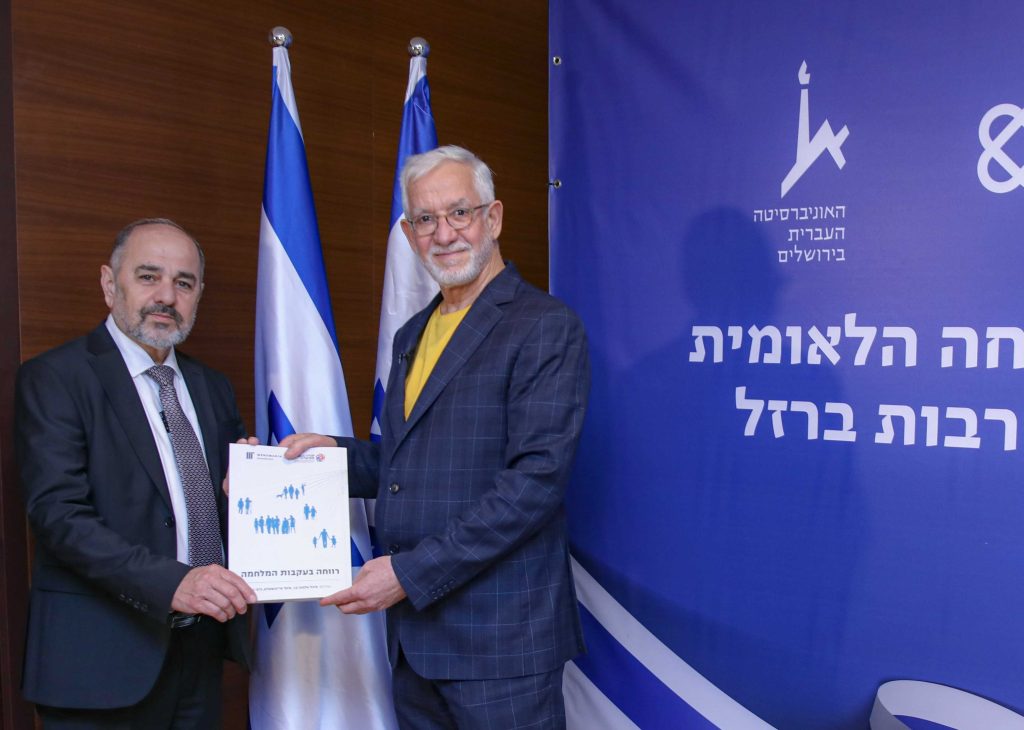
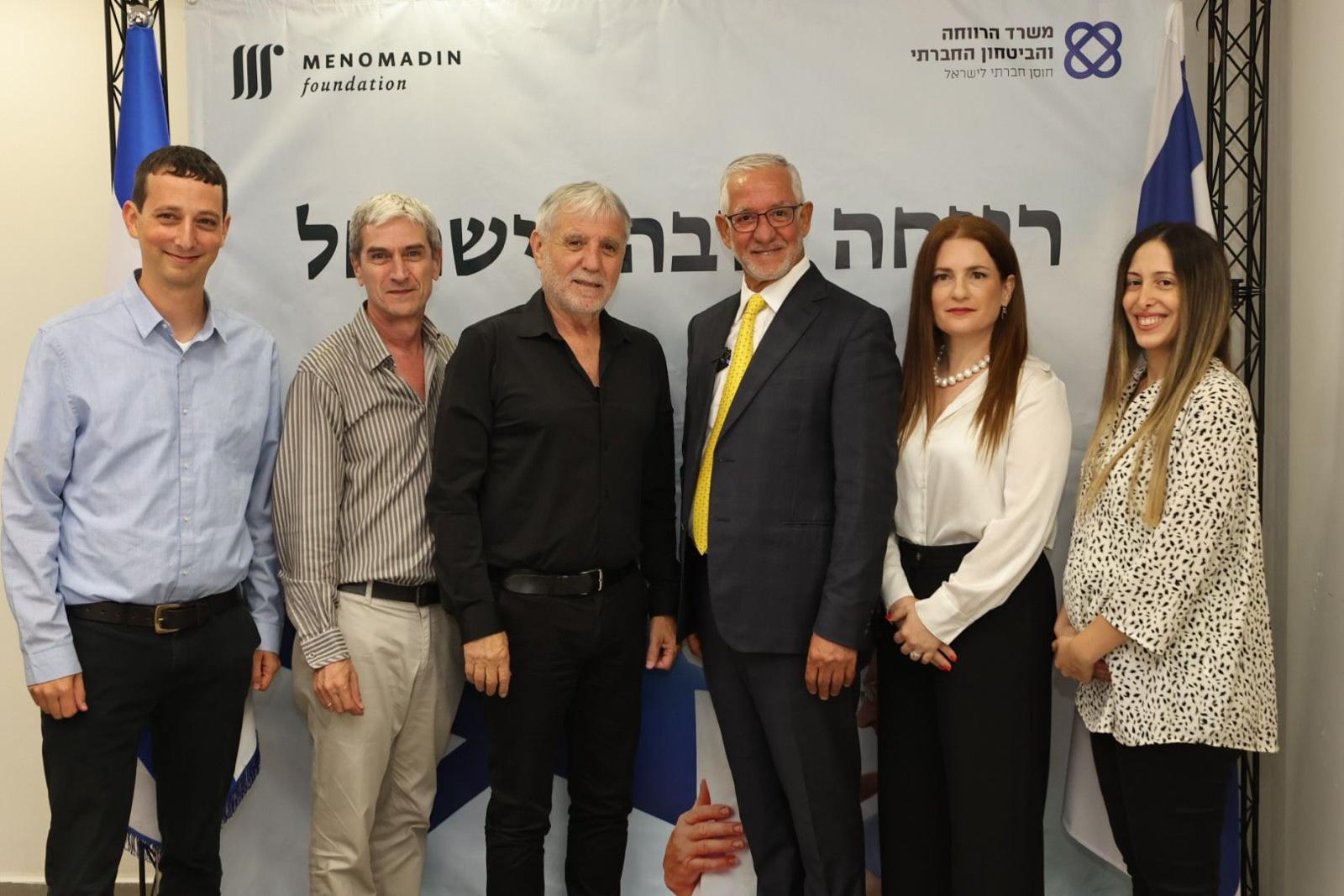
The initiative began with the development of a national strategic roadmap by a team of experts led by Prof. Johnny Gal of the Hebrew University of Jerusalem. Following its adoption by the Ministry of Welfare and Social Affairs, dedicated working teams were established in partnership with the Ministry, the Schusterman Foundation, and the Taib Foundation. These teams are leading four pilot programs focused on procurement, contracting, implementation, and oversight of outsourced welfare services. The process includes developing a new regulatory model, phased implementation, evaluation research, and establishing a nationwide operational framework.
Impact
The initiative began with the development of a national strategic roadmap by a team of experts led by Prof. Johnny Gal of the Hebrew University of Jerusalem. Following its adoption by the Ministry of Welfare and Social Affairs, dedicated working teams were established in partnership with the Ministry, the Schusterman Foundation, and the Taib Foundation. These teams are leading four pilot programs focused on procurement, contracting, implementation, and oversight of outsourced welfare services. The process includes developing a new regulatory model, phased implementation, evaluation research, and establishing a nationwide operational framework.
What We’ve Learned
The process has shown that national policy reform requires a combination of high-quality research, close collaboration with government professionals, and long-term strategic partnerships. The initiative’s success will be assessed through an ongoing evaluation study examining the implementation of the new model, its impact on regulation and oversight, and improvements in the quality of welfare services delivered to those who rely on them.