Aalam


Background
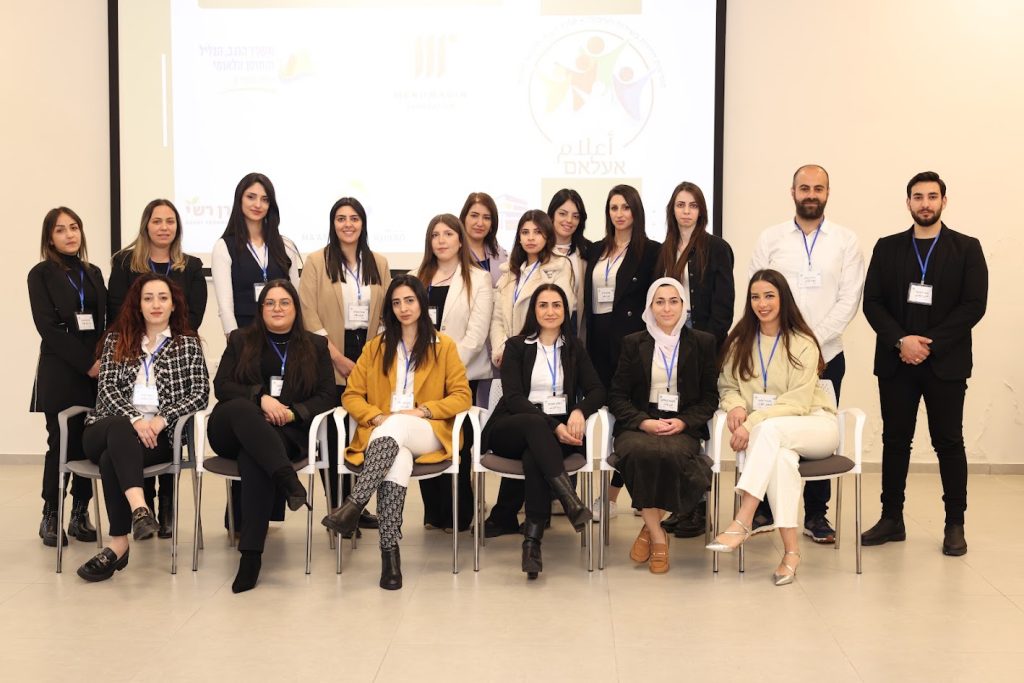
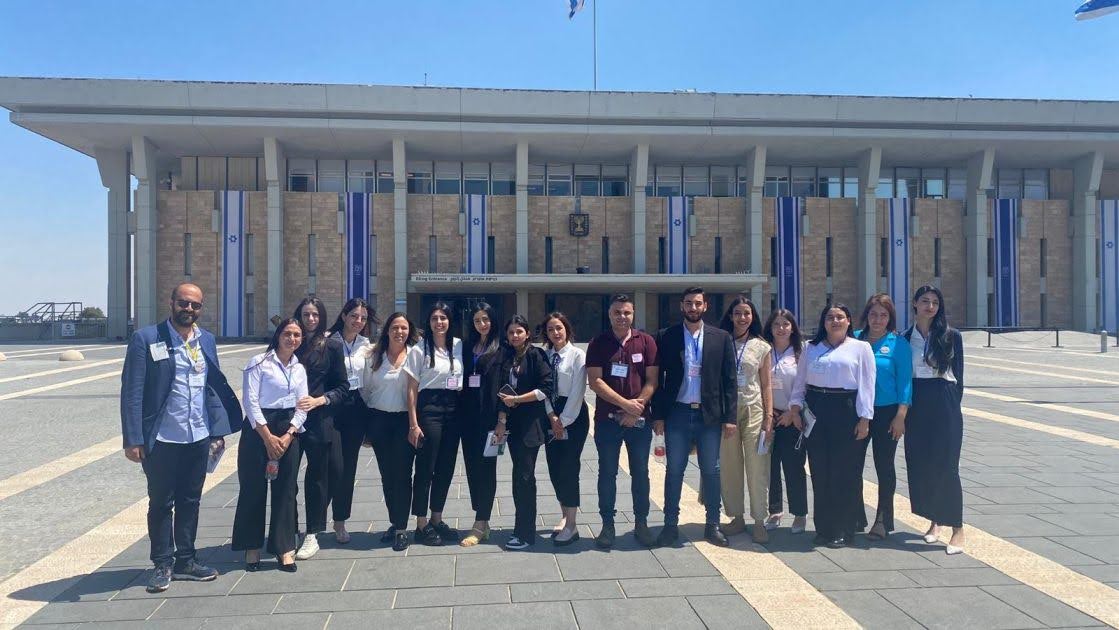
Developing young leaders is essential to strengthening a community’s ability to address challenges, generate new initiatives, and expand young people’s participation in social and public life. Aalam was established to provide an ongoing pathway for young Druze men and women to develop leadership skills, expand their professional and personal networks, and strengthen their ability to take responsibility and drive change within their communities and beyond. As the program prepares for its fifth cohort, it marks a transition from a standalone initiative to an established, long-term framework for developing young leadership.
The Challenge
Leadership potential does not necessarily translate into meaningful engagement and impact without opportunities for young people to develop skills, gain exposure to new opportunities, build networks, and turn motivation into action. The challenge is to create a pathway that identifies and nurtures promising young leaders while connecting their personal growth and learning to community responsibility and the ability to drive lasting change.
The Opportunity
Building a growing network of program alumni across multiple cohorts creates an opportunity to develop a broader community of young leaders who share a common leadership approach and strong connections with one another. At the same time, direct government involvement offers an opportunity to expand the partnership and establish shared responsibility for the program’s long-term sustainability. In the current program year, $116,000 in government funding has been secured, with plans to introduce an equal funding partnership between the Ministry and the Taib Foundation next year.
Objectives
To develop a new generation of young Druze leaders; strengthen their personal, professional, and leadership skills; expand networks and connections among young people from different communities; and encourage the transition from learning and awareness to active engagement, initiative, and community responsibility. In the long term, the program aims to broaden the Druze community’s leadership base and build a growing network of young people equipped to take on leadership roles and drive change in community and public life.
Course of Action
Aalam operates through successive cohorts, each participating in a structured leadership development program led by the program partners. The program combines learning, personal development, exposure to community and public challenges, and relationship-building among participants, strengthening their ability to turn knowledge and motivation into meaningful action. As Aalam prepares to launch its fifth cohort, the Taib Foundation is also strengthening its monitoring and evaluation framework to better understand the program’s long-term impact on participants.
Impact
The program’s continuation into its fifth cohort reflects its establishment as a sustainable framework for developing young leaders within the Druze community. The growing partnership with the Ministry of the Negev, Galilee and National Resilience has further strengthened the program. This collaboration supports its long-term sustainability, amplifies the impact of the Taib Foundation’s investment, and demonstrates a shared public commitment to developing the next generation of Druze leaders.
What We’ve Learned
Leadership development is a long-term process, and its success cannot be measured solely by participation or satisfaction with the program. Meaningful impact is reflected in what participants do afterward—whether they take responsibility, launch initiatives, expand their influence, and remain connected to the network they have built. We have also learned that continuity across cohorts is just as important as the quality of each individual program cycle. As a growing alumni community takes shape, the program can evolve from a leadership training initiative into a lasting leadership network. The key lesson is that evaluating leadership programs requires looking beyond participants’ development during the program to understand their long-term impact and how the alumni network continues to create value over time.