Kinneret Amakim PRO



Background
he Kinneret Amakim Regional Cluster brings together several local authorities with shared needs, assets, and opportunities. Unlocking the region’s potential requires more than strategic planning at the regional level. It also depends on the ability of municipal leaders and professionals to collaborate around common goals. Kinneret PRO was developed based on the understanding that regional development begins with building strong professional networks and connections among local authorities, while strengthening the Cluster’s capacity to translate collaboration into regional economic initiatives.
The Challenge
Regional collaboration requires coordination among local authorities and professional teams, each with its own priorities, resources, and responsibilities. Without strong working relationships among municipal counterparts and effective management capabilities at the Cluster level, it is difficult to move beyond isolated partnerships toward complex, long-term regional initiatives. The challenge is therefore twofold: to build a strong professional network across municipalities while strengthening the Cluster’s capacity to lead and manage joint initiatives.
The Opportunity
Regional collaboration creates opportunities to combine the knowledge, assets, and capabilities of different municipalities and achieve impact on a scale beyond what any single local authority could accomplish. Building professional networks among municipal leaders and officials lays the foundation for collaboration, while strengthening the Cluster’s management capacity enables these connections to translate into regional initiatives. Tourism presents a concrete opportunity to move from planning to implementation. As a sector that requires collaboration across municipal boundaries, it has the potential to become a key driver of shared regional economic development.
Objectives
To strengthen the Kinneret Amakim Regional Cluster’s capacity to foster collaboration and drive regional economic development; build professional networks among municipal leaders and key officials; enhance the Cluster’s management and coordination capabilities; and establish a regional tourism framework that serves as a practical platform for promoting shared economic growth.
Course of Action
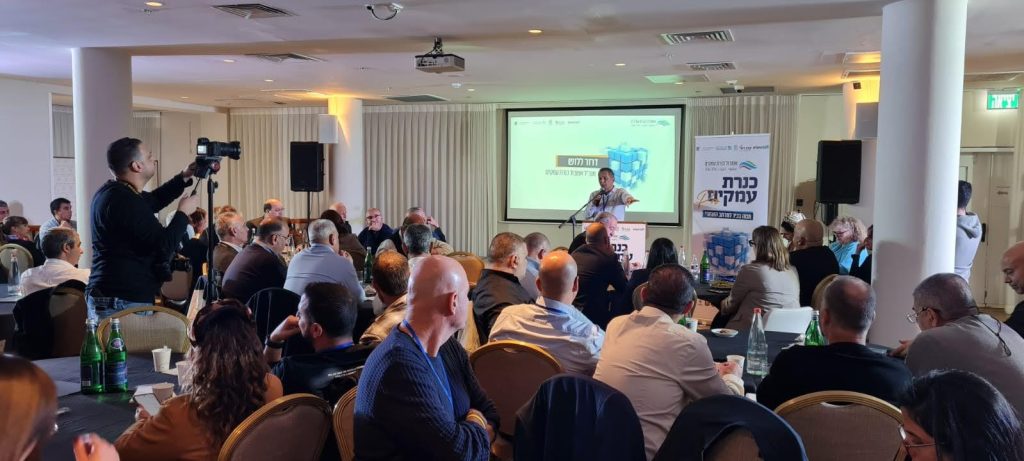
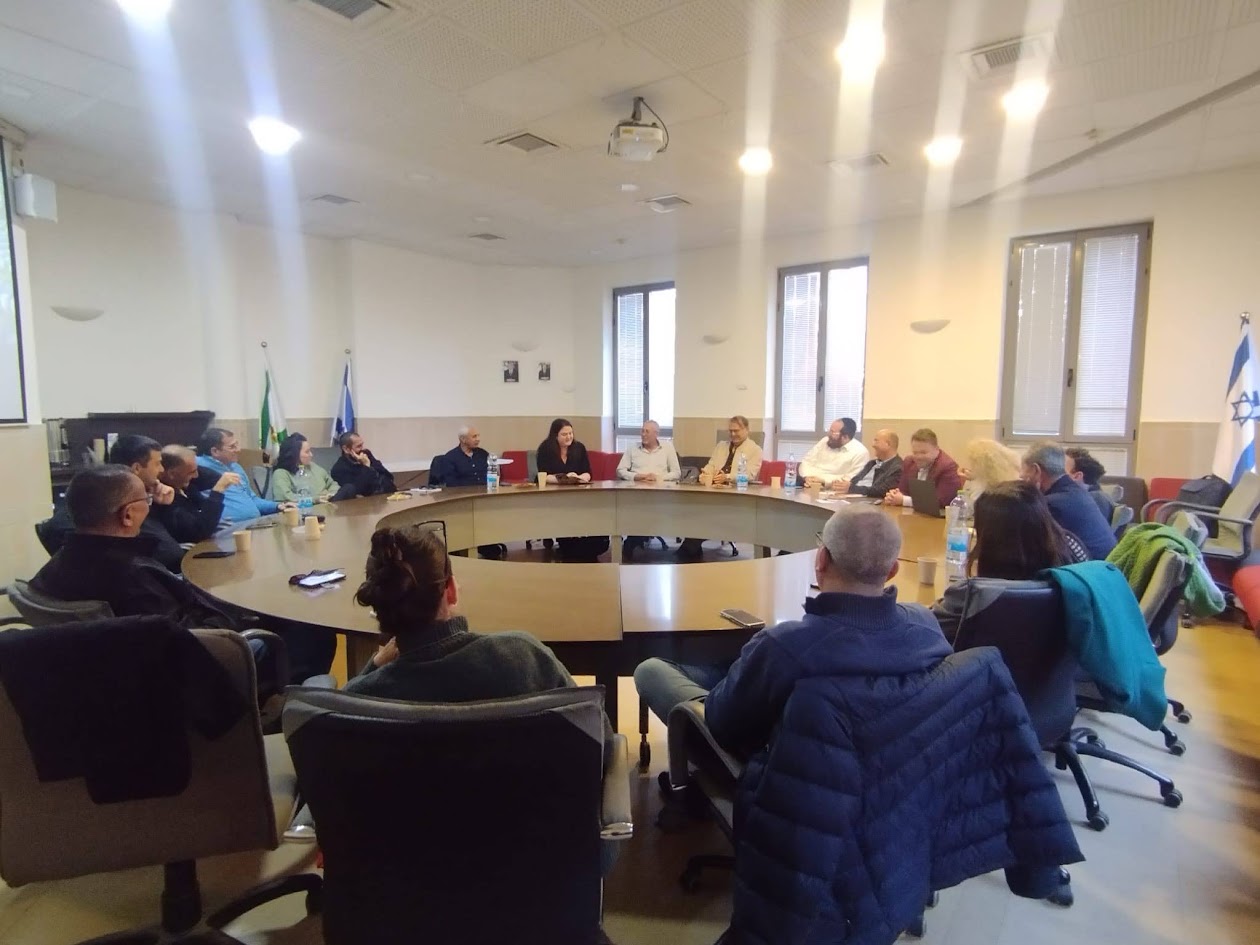
The initiative is structured around two complementary phases. The first phase focused on building professional networks among key municipal officials through dedicated forums for mayors, municipal CEOs, treasurers, engineers, and education directors. These forums fostered relationships, established a shared professional language, and strengthened collaboration across municipal boundaries. The second phase focuses on enhancing the Cluster’s management capacity and translating these networks into practical regional initiatives. This includes developing a stronger management model for the Cluster and establishing a regional tourism authority, led by municipal leaders and CEOs. Over the coming months, the initiative will focus on advancing the management model and developing tourism as a platform for regional economic growth.
Impact
The first phase expanded collaboration across the Cluster, engaging a broader range of municipal officials and establishing professional networks that connect elected leaders and municipal professionals. This foundation is enabling the Cluster to move from building relationships and a shared professional approach toward strengthening its regional implementation capacity. Engagement with key professional groups, including municipal CEOs and treasurers, has reinforced the managerial and financial capabilities needed to advance joint initiatives. The initiative is now beginning to translate this foundation into concrete economic action through the development of a regional tourism authority. Led jointly by municipal leaders and CEOs, this effort will serve as a practical test of the Cluster’s ability to advance a shared engine for regional economic growth.
What We’ve Learned
Sustainable regional collaboration requires connecting elected leaders, municipal management, and professional teams, ensuring that cooperation becomes embedded in institutional structures rather than depending on individuals. We have learned that building professional networks is only the first step. Turning these connections into regional capacity requires shared goals and practical initiatives that move stakeholders from knowledge-sharing to joint planning and implementation. The key lesson is that effective regional development depends on strong professional relationships, management structures, and collective action. Together, these enable regional clusters to move beyond coordination and become drivers of regional growth.